
Reviewed · AL ZUBARAH FORT TOURS
Olafur Eliasson, North of Qatar Tour, Zubara Fort, Jumail Village
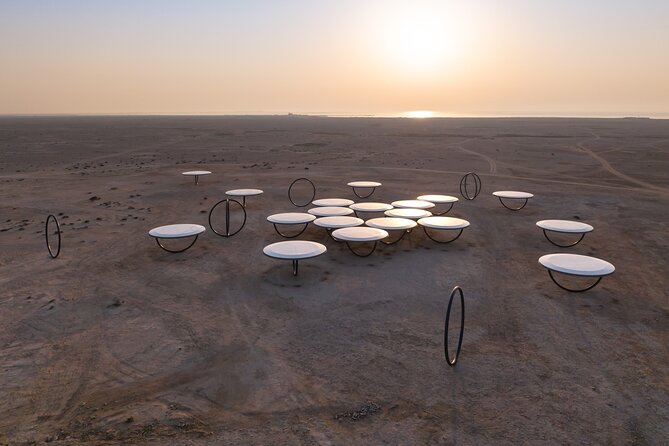
The striking feature here is Olafur Eliasson’s art in the desert, where mirrors, light, sky, and sand create a very different kind of sightseeing. You also get a useful look at northern Qatar, from the UNESCO-listed Al Zubara site to the remains of a pearling village.
I like the private vehicle and hotel pickup, which make the long ride from Doha far easier. I also like the mix of old and new: an abandoned fishing settlement and historic fort on one side, modern art by an internationally known artist on the other. The main drawback is that four hours includes driving time, so this is a brisk half-day outing rather than a slow, detailed archaeological tour.
Key points to know before you go
- The desert art is the headline: Olafur Eliasson’s installation gives the trip its unusual appeal and makes the long drive north worthwhile for art lovers.
- Al Zubara combines fort and archaeology: You see the youngest major structure at a UNESCO World Heritage site, with shells in the fort courtyard and preserved remains nearby.
- Al Jumail shows Qatar before oil and gas: The abandoned village offers a quiet look at pearling and fishing life in the 19th and early 20th centuries.
- Your group travels privately: Only your party takes part, with an air-conditioned vehicle, bottled water, tea, coffee, and onboard WiFi.
- The guide can shape the day: Mohammed, Ibrahim, Hamad, Nawaz, Alee, Zafar, Adil, and Amren have led similar trips, with strong praise for their driving, flexibility, and explanations.
- Weather matters: The art stop is outdoors, and poor weather can lead to a different date or a full refund.
Why this northern Qatar tour is worth your time
Doha gives you museums, towers, souqs, and polished waterfront views. Northern Qatar gives you something else: open country, old settlements, archaeological remains, and a sense of how people lived before petroleum and natural gas changed the nation.
This tour works because it joins several unrelated sights into one practical route. You do not have to arrange a car for the long drive north, work out the roads, or find your way between scattered sites. Instead, you ride in an air-conditioned vehicle and use the journey to ask about Qatar’s past and present.
The price is $80 per person. That is a fair deal if you are traveling with others and want private transport, since the cost includes the vehicle and the guide rather than only admission to a single attraction. The value is weaker if you want hours at each stop, because the four-hour total includes all driving from Doha.
Pickup is offered, and the tour includes bottled water, coffee or tea, and WiFi onboard. Those details matter in Qatar’s heat. A cold bottle of water is not a decorative extra when you are walking around an exposed fort or standing beside a metal art structure in the desert.
Other fort and heritage trips from Doha:
- North Qatar Half-Day Tour: Al Zubarah, Purple Island & Mangroves
★ 5.0 · 337 reviews - North Qatar Tour | Zubara Fort | Purple Island | Mangros Colony
★ 5.0 · 323 reviews - Doha North Qatar Tour Zubara Fort, Mangroves, Jumail Village
★ 4.9 · 267 reviews
Olafur Eliasson’s mirrors in the desert
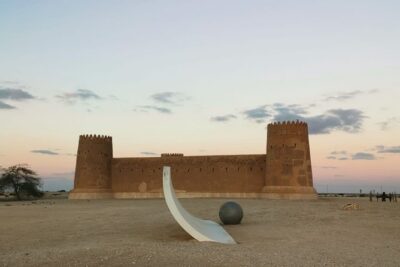
The art installation is the reason many people choose this particular northern route. It places contemporary art far from Doha’s galleries and museums, in a setting where the sky, sun, wind, and sand become part of what you see.
The installation has a strong visual effect. Mirrors and shadows make you look twice at the surrounding desert, and the scene changes with the light and weather. It is best approached as an outdoor art encounter rather than a quick photo stop. Take a moment to look at how the structures frame the horizon and how your own position changes the view.
The site has parking, and the road from Doha is generally good. The final entry section can be rough, so this is not the place for polished city-street expectations. Wear shoes that can handle uneven ground and bring sun protection. The stop is exposed, with little reason to expect shade.
Timing can affect the experience. One visit included camels near the installation, which added a memorable Qatar touch, but animals cannot be promised. Strong wind has also been part of the experience, and one trip continued in rain. That is why weather is important here. If conditions make the outing unsafe or unsuitable, the operator may offer another date or a full refund.
One practical point deserves attention: the art stop needs to be confirmed when you book. The supplied route description highlights the installation, and most of the route’s appeal depends on it, yet one person did not see the desert artwork during the visit. I would ask directly whether the installation is included on your selected date and whether the access road is open.
Al Zubara Fort and the old trading coast
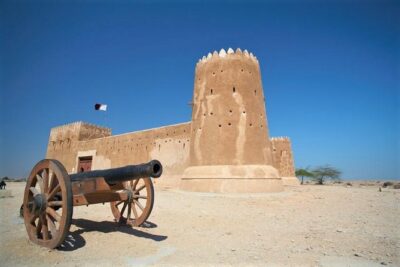
Al Zubara Fort is the most formal sightseeing stop. The fort dates from the 20th century and is described as the youngest and most prominent feature of the Al Zubara Archaeological Site. The wider site has UNESCO World Heritage status because it preserves an important period in Qatar’s development.
Do not expect a grand European castle. This is a compact desert fort, and its value comes from its setting and connection to the larger archaeological area. The fort helps you picture how Qatar’s northern settlements were protected and organized, while the surrounding remains point to the former importance of Al Zubara as a coastal settlement and trading center.
You have about an hour here. That is enough for a useful visit, especially if your guide explains what you are seeing. It is not enough for an exhaustive archaeological study, so listen closely and ask questions while you have the chance.
A small detail can make the stop more memorable: the courtyard contains millions of shells. This is a simple but powerful reminder that coastal life and pearling once shaped the economy and daily routine. The shells connect the fort to the people who worked the sea, traded along the coast, and lived in settlements that now appear quiet and remote.
Admission is free, which helps the overall value. Still, the quality of the stop depends partly on the explanation you receive. Guides such as Ibrahim and Nawaz have been noted for talking about Qatar’s history and pointing out places along the drive. If your guide is quieter, as one visitor found with Mohammed, you may need to ask questions rather than wait for a running commentary.
Al Jumail Village and Qatar before the oil boom
Al Jumail is a short stop, around 30 minutes, but it gives the trip an important human side. This abandoned pearling and fishing village was founded in the 19th century and remained inhabited well into the 20th century.
The village was associated with the Alkubaisi family. Its decline followed the economic boom created by petroleum and gas. As work and opportunity shifted toward the main cities, families moved away, leaving the old settlement behind.
What you see today is not a restored living village with shops and staged displays. It is a quiet place of abandoned structures and empty spaces. That absence is the point. You can think about the gap between Qatar’s older coastal economy and the modern country built by energy wealth.
Thirty minutes is a quick look. You may have time for photos and a short explanation, but not a long walk through every remaining structure. The stop works best when you treat it as a brief atmospheric visit, not a full museum tour.
I like this part of the route because it keeps the story grounded. The fort tells you about an important site, but Al Jumail helps you picture families, work, and relocation. It is also a useful counterpoint to Doha, where the country’s rapid economic change is much less visible.
More days up the north coast from Doha:
- Full Day Tour to Qatar North And West With Pickup From Doha
★ 4.9 · 371 reviews - From Doha: Day Trip to North And West Qatar With Pickup
★ 4.9 · 336 reviews - Full Day Tour to Qatar North And West With Pickup From Doha
★ 5.0 · 288 reviews - Full Day Qatar’s North And West tour || History & Heritage
★ 5.0 · 229 reviews
Qatar’s northeastern tip at 575G+Q3M
The route continues to the northeastern end of Qatar, identified by the location code 575G+Q3M. You spend about 20 minutes here.
This is a simple stop, not a major attraction with an admission hall or formal exhibits. Its appeal comes from reaching the far end of the country and seeing a part of Qatar that most short city visits never touch. The open setting gives you a strong sense of distance from Doha.
Keep your expectations sensible. The location is best viewed as a geographic finish line and photo opportunity, not as a fully developed attraction. Your guide may add context about the route and nearby places, but the information provided does not promise a specific monument or facility at the site.
The private ride and the guides
The private format is one of the strongest practical features. Only your group participates, so you are not sharing the vehicle with strangers or following the pace of a large coach. That can make a half-day route feel calmer, especially when you want to stop for a photo or ask questions about Qatar.
The vehicle is air-conditioned, and private transportation is included. WiFi is also provided onboard, along with bottled water and coffee or tea. Lunch, dinner, and snacks are not included, so eat before departure or plan food after the tour.
Several guides have led this route. Mohammed is described as a careful driver who looked after the group in very hot weather. Another Mohammed was praised for answering questions about Qatari people and daily life. Ibrahim has been associated with interesting conversation and flexible help, while Hamad handled a trip in difficult rain and helped make the day memorable.
Nawaz, Zafar, Alee, Adil, and Amren have also guided visitors along this northern route. Alee was praised for safe driving and flexibility. Zafar was noted for explaining the places along the way, and Amren for punctuality, vehicle cleanliness, and kind service. One person found Adil difficult to hear, which is a useful reminder that guide quality can vary from one departure to another.
The trip is private, but it is not necessarily a full specialist-led art or archaeology tour. The guide’s role appears to combine driving, local orientation, and general sightseeing. If you want technical details about Eliasson’s methods or a scholarly reading of Al Zubara, ask before booking.
How much time you really get at each stop
The four-hour total includes travel time, so the stop times add up to only about one hour and 50 minutes:
- Al Zubara Fort: about one hour
- Al Jumail Village: about 30 minutes
- Northeastern tip: about 20 minutes
The remaining time is driving from Doha and between the northern sites. This is enough for a taste of the region, but not enough for a leisurely day outdoors.
The route suits you if you want variety and convenience. It is less suitable if your main goal is extended photography, careful archaeological study, or a long art session. The private setup may allow some flexibility, but the advertised duration remains about four hours, so confirm how much time can be adjusted.
Who should book this tour
I would recommend it to first-time visitors who have already seen central Doha and want a broader picture of Qatar. It is also a good fit for art lovers who want to see Eliasson’s work in an unusual setting, and for anyone interested in pearling, fishing villages, and the country’s rapid shift into the petroleum era.
Families and small groups may appreciate the private vehicle and shorter stops. The route avoids the strain of arranging a remote drive yourself, and most people can take part according to the available information.
I would be more cautious if you dislike heat, wind, rough access roads, or outdoor sites with limited facilities. The art installation and northeastern tip are exposed, and the day includes a fair amount of time in the vehicle. You should also confirm that the Olafur Eliasson installation is operating on your date, since it is the main reason to choose this tour over a standard northern heritage outing.
Free cancellation is available up to 24 hours before the start time. Changes or cancellations within 24 hours are not refunded, and poor weather may lead to a new date or a full refund.
Should you book the North of Qatar tour?
Book it if you want one private half-day route that joins contemporary art, UNESCO heritage, an abandoned village, and the far north of Qatar. The best parts are the unusual desert installation, the shells at Al Zubara Fort, and the chance to talk with a local driver about places beyond Doha.
Skip it if you want a slow, specialist-led visit with long periods at each stop. For most visitors, though, $80 is reasonable when the private car, pickup, guide, refreshments, and long northern drive are included. Confirm the art stop, prepare for sun and wind, and treat the tour as a broad introduction rather than a detailed archaeological expedition.
FAQ
Where does the tour take place?
The tour departs from Doha and visits northern Qatar, including Al Zubara Fort, Al Jumail Village, the northeastern tip of Qatar, and Olafur Eliasson’s desert art installation.
How long does the tour last?
The tour lasts approximately four hours, including travel time between Doha and the northern sites.
Is hotel pickup available?
Yes. Pickup is offered as part of the experience.
Is this a private tour?
Yes. Only your group participates in the activity.
What is included in the price?
The price includes bottled water, an air-conditioned vehicle, WiFi onboard, private transportation, and coffee or tea.
Are meals included?
No. Dinner, snacks, and lunch are not included.
Is admission to the sites included?
Admission tickets are listed as free for Al Zubara Fort, Al Jumail Village, and the northeastern tip location.
Can most people participate?
Yes. The available information says most people can participate, and the tour is near public transportation.
What happens if the weather is poor?
The experience requires good weather. If it is canceled because of poor conditions, you can receive a different date or a full refund. Canceling at least 24 hours before the start time also allows a full refund, while cancellations within 24 hours are not refunded.
Just added in Doha
- Doha: Night Desert Safari With Stargazing and Inland Sea★ 5.0 · 9 reviews
- From Doha: Private West Coast and Camel Race Track Tour★ 4.7 · 4 reviews
- Private Dunes Bashing | Desert Safari | Sand Boarding★ 5.0 · 5 reviews
- Doha-Private half day safari Sunrise/Sunset★ 5.0 · 6 reviews
- Doha : West Coast Tour on Zekreet Peninsula★ 5.0 · 15 reviews
- Private Wakesurfing or Wakeboarding along Doha’s skyline★ 5.0 · 3 reviews
- West Coast and Camel Race Track Visit★ 5.0 · 7 reviews
- Doha: West Coast Tour Sculpture,Camel Racing Track Rock Formation★ 5.0 · 3 reviews
Al Zubarah Fort Tours, compared.
North Qatar Half-Day Tour: Al Zubarah, Purple Island & Mangroves
Read our review →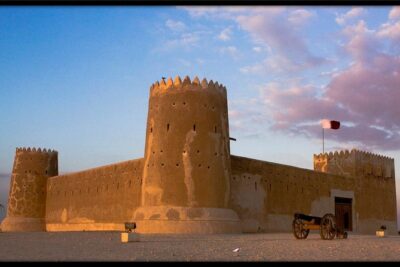
North Qatar Tour | Zubara Fort | Purple Island | Mangros Colony
Read our review →
Doha North Qatar Tour Zubara Fort, Mangroves, Jumail Village
Read our review →
North of Qatar Tour to Olafur Eliasson Zubara Fort Jumail Village
Read our review →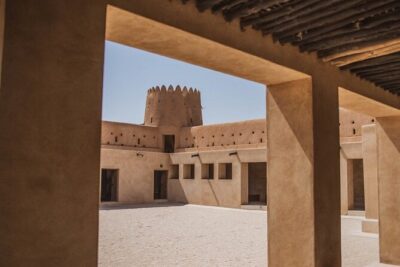
Private North of Qatar: Zubara Fort | Jumail Village | Al-Thakhira Mangroves
Read our review →
North Qatar Tour, Mangroves, & Zubara Fort and purple
Read our review →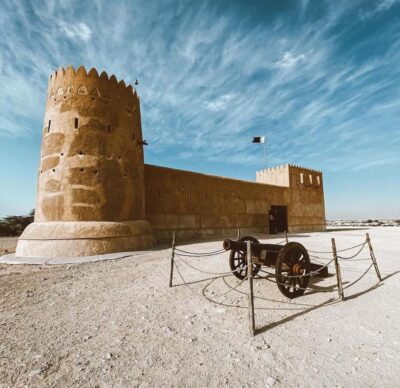
Explore North of Qatar: Visit Zubarah Fort and Fishing Town of Al Khor
Read our review →Browse the lists this tour appears in